Maths
Rationale
At St Anthony’s, mathematics enables pupils to recognise order, pattern, and precision in God’s creation. It equips pupils with the knowledge and skills needed to reason, solve problems, and make meaningful connections between number, shape, and the world around them. Rooted in the dignity of each person, our mathematics curriculum encourages pupils to develop resilience, confidence, and a growth mindset. Through solidarity and collaboration, pupils learn to value different methods and approaches, showing respect for the thinking of others. Mathematics at St Anthony’s nurtures curiosity, creativity, and discipline, preparing pupils to apply their learning with purpose in everyday life and use their God-given talents in the service of others.
Intent
Our mathematics curriculum, following the White Rose scheme, provides a carefully sequenced, mastery-based approach aligned with the National Curriculum. It develops deep understanding, fluency, and secure reasoning by ensuring that pupils build and connect knowledge in small, coherent steps.
Core principles include:
• Nurturing virtuous individuals who persevere, reflect, and act with integrity in their learning.
• Inspiring excellence and a love of mathematics through rich tasks and meaningful challenge.
• Promoting collaborative learning that encourages discussion, explanation, and shared problem-solving.
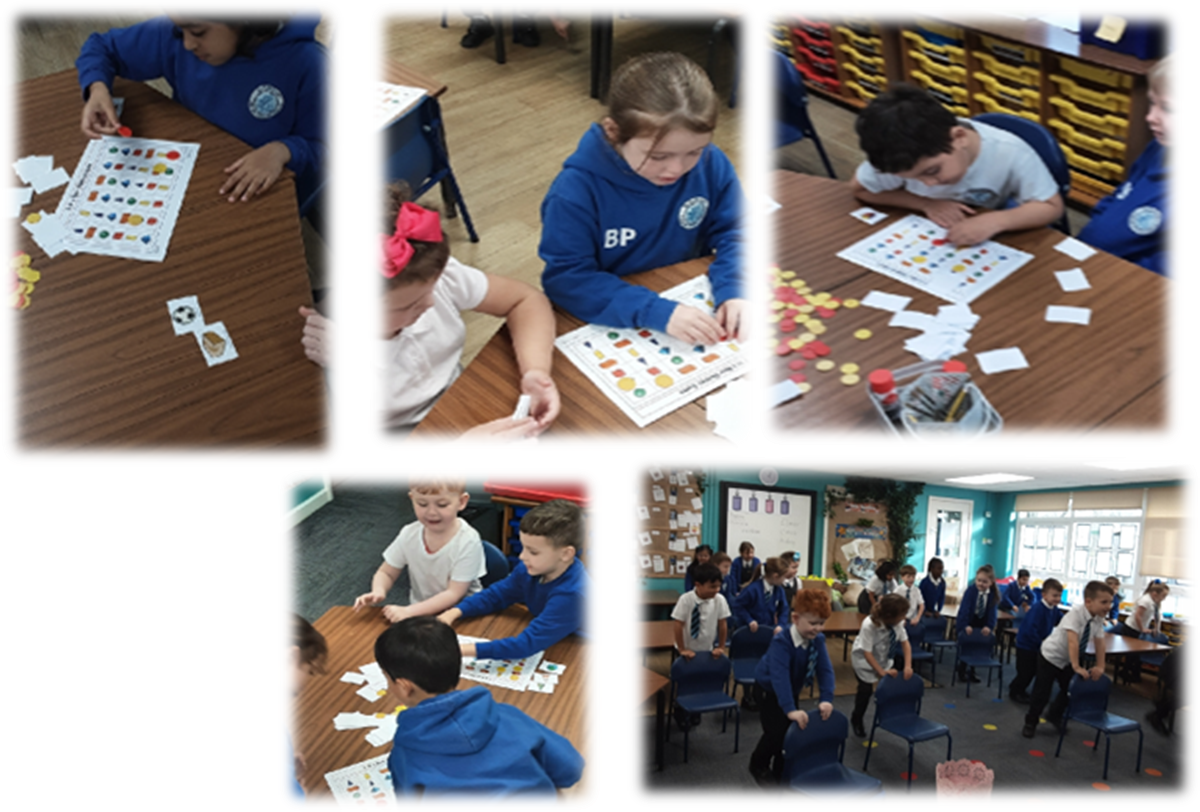
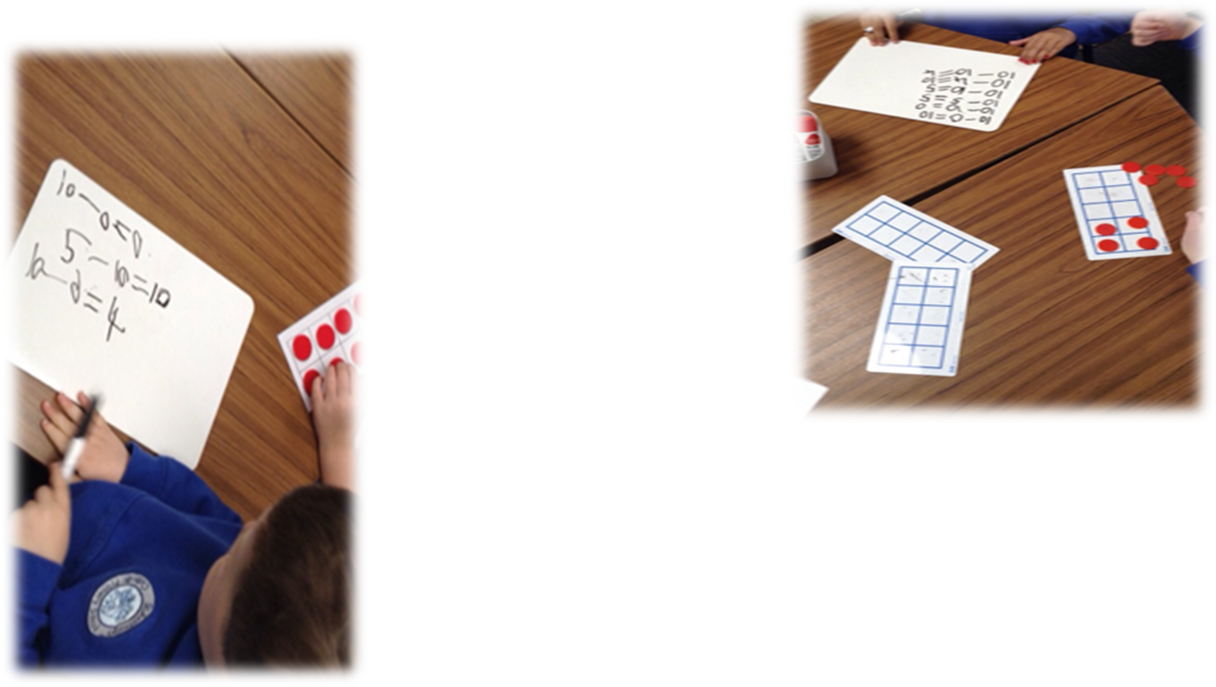
Key Stage 1: Pupils develop firm foundations in number, place value, addition and subtraction, shape, and measures. They use practical equipment, representations, and talk to build secure understanding.
Key Stage 2: Pupils extend understanding of number, calculation, fractions, geometry, statistics, and measures. They deepen reasoning and problem-solving skills, applying knowledge to increasingly complex contexts using visual and abstract methods.
Implementation
• Lessons follow the White Rose scheme to ensure small-step progression and cumulative understanding.
• A mastery approach ensures that all pupils move through content together, with scaffolding or challenge provided as needed.
• Concrete, pictorial, and abstract representations support deep conceptual understanding.
• Daily opportunities for reasoning and problem-solving develop mathematical thinking.
• Fluency sessions strengthen recall of key facts, including times tables.
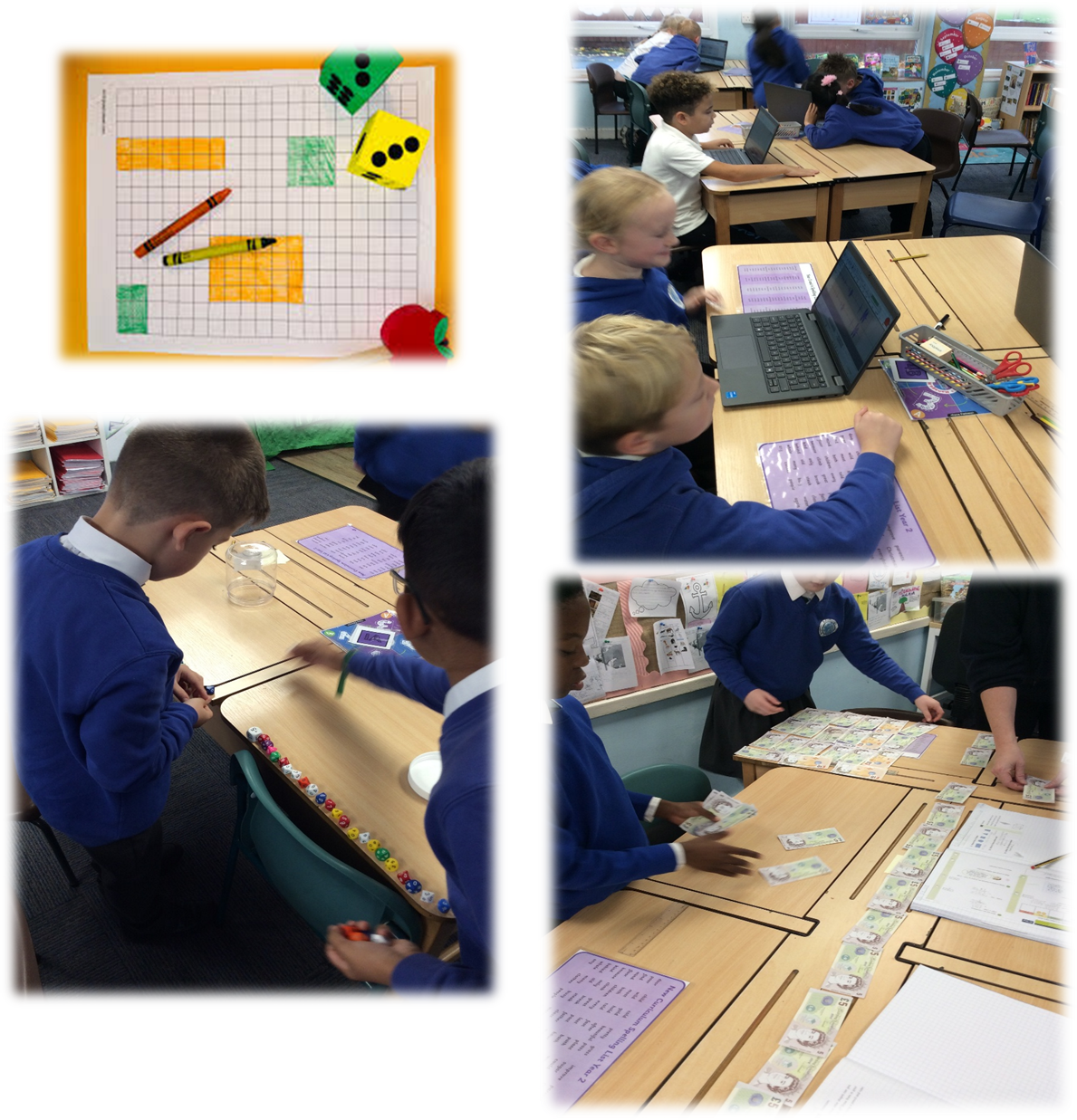
• Cross-curricular links with Science, Computing, and Geography help pupils apply mathematics meaningfully.
Impact
By the end of primary education, pupils will:
• Have secure understanding of number, calculation, geometry, fractions, measures, and statistics.
• Demonstrate fluency with key number facts and efficient calculation strategies.
• Explain reasoning clearly using appropriate mathematical vocabulary and representations.
• Apply skills confidently to solve problems in familiar and unfamiliar contexts.
• Show resilience, curiosity, and confidence as mathematicians who recognise the value of mathematics in God’s world.
Assessment
• Retrieval practice at the start of lessons revisits and strengthens prior learning.
• Ongoing questioning and observation provide immediate formative feedback.
• End-of-unit assessments track understanding of key concepts and inform next steps.
• Summative assessments across the year monitor progress and highlight areas requiring support or challenge.
• Pupils reflect on learning and explain their thinking to strengthen metacognition and understanding.
SEND Support Statement
In teaching the White Rose mathematics curriculum for KS1 and KS2, we prioritise quality first teaching and adaptive strategies to support all learners, including those with SEND. Lessons are differentiated through scaffolding, manipulatives, structured stem sentences, and clear, step-by-step modelling. Tasks may be adjusted in complexity or representation so every pupil can access core learning securely and progress confidently.